Blog

Understanding DCOM: A Comprehensive Guide to Distributed Component Object Model

The Distributed Component Object Model (DCOM) is an architecture and communication protocol that allows for the interopability of distributed objects across a network. It provides a framework for building component-based applications that are distributed across multiple computers, enabling efficient and seamless communication between different components. In a distributed system, objects are the fundamental building blocks ...

Linear PCM vs Dolby: A Comparison of Audio Formats

When it comes to digital audio formats, there are several options available today. Two popular choices that often confuse consumers are Linear PCM and Dolby. Both formats offer high-quality audio, but they differ in terms of how they encode, decode, and compress sound. Linear PCM, also known as Pulse Code Modulation, is an uncompressed audio ...

Understanding CPU Time: Everything You Need to Know

The central processing unit (CPU) is the brain of a computer system, responsible for executing instructions and performing calculations. CPU time refers to the amount of time it takes for a processor to complete a given task, and understanding how it is used is crucial for optimizing performance and efficiency. One important aspect of CPU ...

What is a SATA Port Multiplier and How Does it Work?

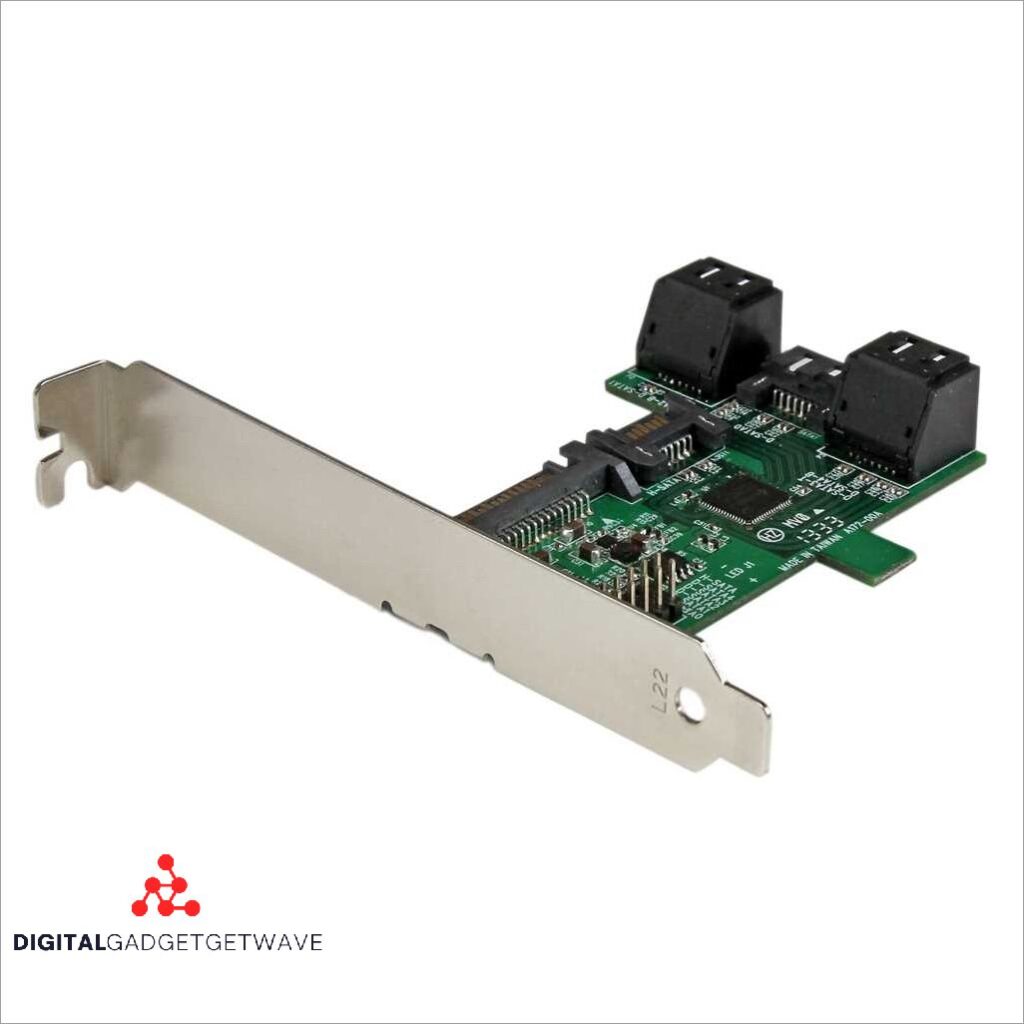
A SATA port multiplier is a device that allows for the expansion of connectivity and the multiplication of storage devices in a computer system. It is a controller that provides additional SATA ports, allowing for more devices to be connected and accessed via a single SATA port on the motherboard or host controller. The SATA ...

Understanding CAD: Definition, Meaning, and Applications

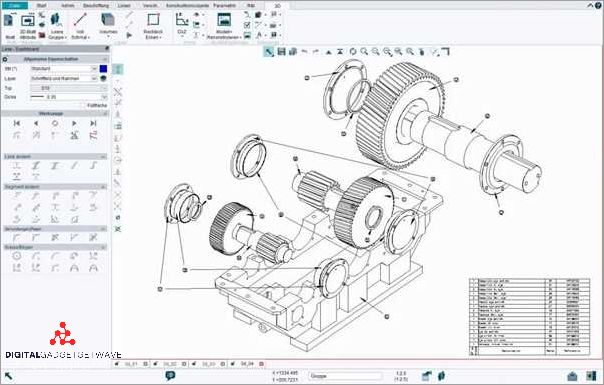
CAD, or computer-aided design, is a technology that has revolutionized the way designers and engineers develop and create designs. It is a program that allows designers to create 3D models of objects using computer-based tools. With CAD, designers can easily visualize and simulate their designs before they are brought to life. CAD software is widely ...

Use Case in Testing: How to Improve Software Quality and Efficiency

The ever-evolving nature of the software industry calls for efficient and agile testing methodologies that can ensure the quality and reliability of software applications. One such methodology that has gained significant popularity is the use case in testing. Use case testing is a verification technique that focuses on testing the functionality of a software application. ...