Articles for category: Understanding

Understanding Metasearch Engines: Everything You Need to Know

A metasearch engine is a powerful tool that allows users to retrieve information from multiple search engines and aggregator websites in one convenient search. Instead of having to search through individual search engines one by one, a metasearch engine combines queries and retrieves relevant results from various sources simultaneously. The main characteristic of a metasearch ...
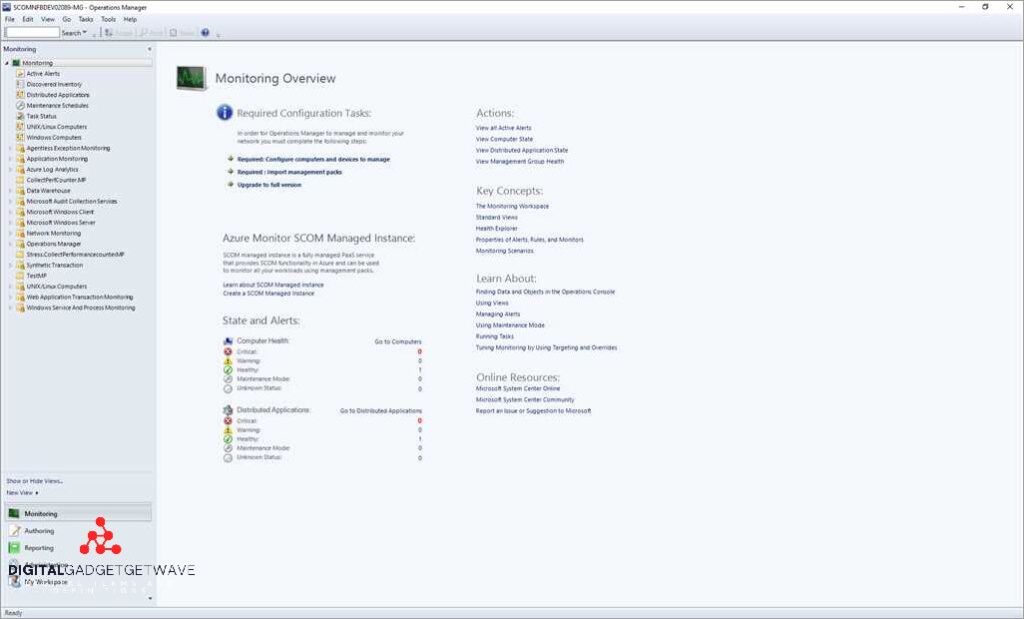
Understanding Systems Center Operations Manager: The Key to Efficient IT Infrastructure Management

Systems Center Operations Manager (SCOM) is a powerful software tool that enables efficient management of IT infrastructure in businesses and organizations. SCOM provides a comprehensive set of features and capabilities for monitoring, analyzing, and controlling various aspects of IT systems and operations. One of the key benefits of SCOM is its advanced analytics capabilities, which ...

Exploring Real Time Computers: Understanding Their Applications and Benefits

Real time computers, equipped with sensors and advanced processing capabilities, have revolutionized several industries by enabling real-time data collection and analysis. These computers utilize complex algorithms to process data in real time, allowing for instantaneous decision-making and response. One of the key advantages of real time computers is their ability to handle time-sensitive tasks. This ...

Understanding Web Server Ports: A Guide to HTTP and HTTPS

When it comes to networking and web servers, understanding the different ports and protocols is crucial. Web servers use TCP/IP to establish a connection with clients and transmit data. This connection is made through ports, which act as endpoints for communication. In this guide, we will focus on two important protocols – HTTP and HTTPS ...

In Band vs Out of Band: Understanding the Difference

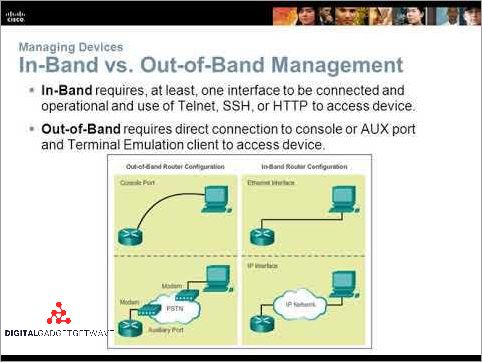
When it comes to network communication, understanding the difference between in-band and out-of-band methods is crucial. These two approaches provide contrasting methods for the transmission of data and control within a network, each with its own advantages and disadvantages. In-band communication refers to the utilization of the same network infrastructure for both data and control ...